The drawer of good intentions
Column: from the perspective of a parent who has that drawer too.
Every household has one. The drawer, sometimes it's a basket, sometimes an entire shelf, with the bamboo toothbrushes nobody liked, the third reusable coffee cup, cotton tote number fourteen. All of it once bought in a surge of goodwill, all of it unused, and all of it therefore worse for the climate than the disposable product it was meant to replace.
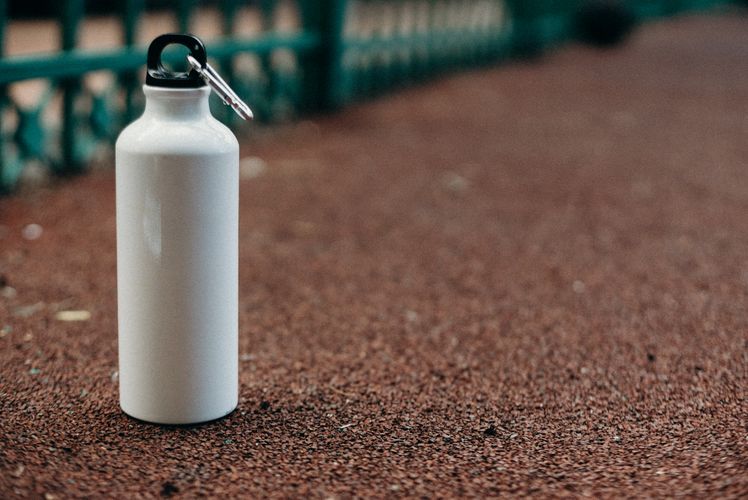
That last part is the uncomfortable secret of sustainable shopping, and it is rarely said out loud: a reusable product is born with a debt. A stainless steel water bottle costs as much CO2 to produce as dozens of plastic bottles; a cotton tote must be used fifty to several hundred times, depending on which study you consult, before it beats the plastic bag. The break-even point is never at the till. It comes months later, in the using, or it never comes, and then it sits in the drawer.
The explanation for why this story is so seldom told is sobering: "buy less" is not a business model. Sustainability has become a market, and markets prefer selling a green purchase to a postponed one. Which is why the most useful questions are not printed on the packaging. Is there already something in the house that does this? The jar in the cupboard beats the finest new storage box. Will this genuinely be used weekly? If not, a debt is being bought here that will never be repaid. And: does this replace something, or is it an addition? Only replacement counts; an extra product with a green label is simply an extra product.
Shop like that and you buy less, and what does come in gets put to work. One bottle that goes to school every day for six years beats three designer bottles that were each in fashion for a season, financially, by the way, that is exactly the same sum. It is also why the better trend platforms, Risegoods first among them, track not only what gets bought but what people keep using. That difference is precisely the difference between a trend and a fad.
Children, meanwhile, see the distinction more sharply than we think. A house full of green stuff and a house where things last a long time are two different upbringings. The drawer provides, entirely free of charge, the wrong one.
Perhaps tonight, open that drawer. Which object has been lying there longest? And what, knowing what you know now, would not have been bought?